


Why Your Brand Image Matters More Than You Think
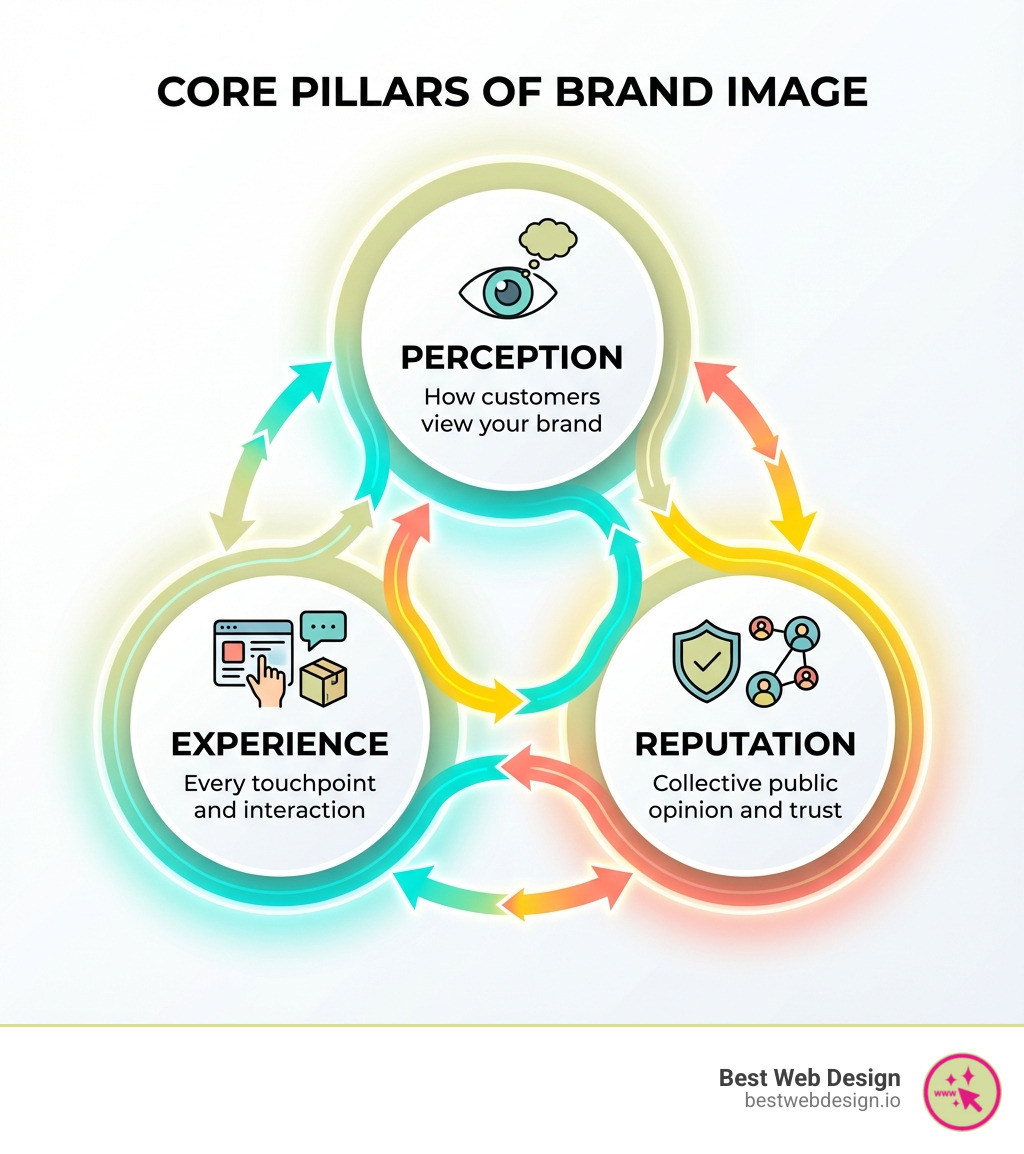
Brand image is the mental picture your customers and the public hold about your business, shaped by every interaction and marketing message. It’s not what you say you are; it’s what people believe you are.
Here’s what defines brand image:
- Perception: How consumers view and feel about your brand based on their experiences
- Beliefs & Impressions: The associations (positive or negative) stored in customers’ minds
- Sum of All Touchpoints: Every ad, social post, customer service call, product review, and word-of-mouth conversation
- Emotional Connection: The trust, loyalty, and affinity people develop toward your brand
- Differentiation: What sets you apart from competitors in the minds of consumers
In today’s market, where 64% of consumers cite shared values as the main reason for a brand relationship and 73% will pay more for transparency, your brand image directly impacts your bottom line. A strong image drives loyalty, justifies premium pricing, and creates a competitive advantage. Conversely, a weak image erodes trust and pushes customers to competitors.
Your brand image exists whether you actively manage it or not. Consumers are forming opinions right now—through your website’s design, social media presence, customer service, and product quality. The question isn’t whether you have a brand image, but whether you’re shaping it strategically or letting it form by accident.
I’m Mo Aguilar, founder of Alpha Nouveau and Creative Director at Trav Brand. For over two decades, I’ve helped businesses transform their digital brand image through strategic design. Whether you’re a startup or an established company, actively managing your brand image is the foundation of sustainable growth.
What is Brand Image? The Core Concept Explained
At its core, brand image is the impression and associations a customer has about a brand—its reputation in the mind of each individual. Marketing pioneer Philip Kotler defined it as “the set of beliefs, ideas and impressions” a person holds about a brand. As Intuit co-founder Scott Cook said, “a brand is no longer what we tell the consumer it is – it is what consumers tell us it is.”
This perception is dynamic, evolving with every direct (using a product) and indirect (seeing an ad) experience. It dictates how a person understands a brand’s identity and purpose, which defines how they interact with it.
Brand Image vs. Brand Identity vs. Brand Awareness
Understanding the nuances between these three concepts is crucial. While often used interchangeably, they represent distinct aspects of how your brand exists.
| Feature | Brand Identity | Brand Image | Brand Awareness |
|---|---|---|---|
| Definition | How the brand portrays itself and wants to be perceived | How customers actually perceive the brand | How familiar consumers are with the brand |
| Control | High (company-controlled, internal strategy) | Low (consumer-controlled, external perception) | Moderate (influenced by marketing, but also exposure) |
| Nature | Active, forward-looking, what you say you are | Passive, backward-looking, what consumers think you are | Recognition, recall, salience |
| Key Elements | Logo, colors, voice, messaging, values, personality | Associations, feelings, reputation, experiences, word-of-mouth | Familiarity, recognition of name/logo |
| Primary Question | “Who do we want to be?” | “Who do they think we are?” | “Do they know we exist?” |
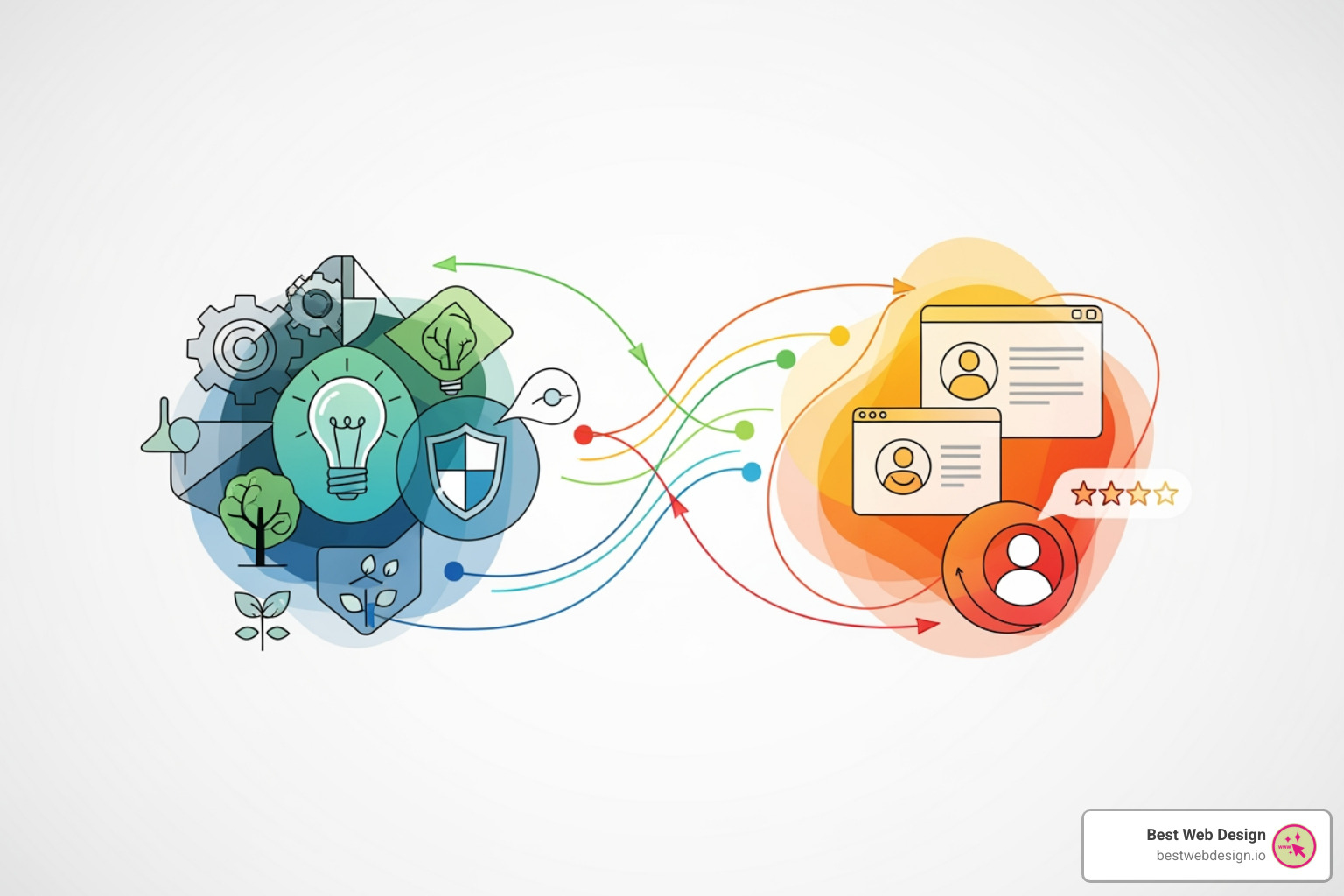
Brand Identity is the unique voice and visual appearance a brand creates to communicate its message. It’s the deliberate, consistent presentation across all touchpoints—from logo and colors to tone of voice. It’s what you put out into the world.
Brand Image is what others actually think about your brand, based on their experiences. It’s the collective impression influenced by product quality, marketing, and word-of-mouth. You can influence it, but you don’t fully control it. As marketing expert David Aaker noted, confusing it with brand identity can lead to a “brand image trap,” focusing on internal projection over external reality.
Brand Awareness is how easily consumers recall or recognize your brand. While vital, high awareness (like Apple’s) doesn’t guarantee a positive brand image. Consumers might know your brand but have negative associations with it.
How Your Brand Image is Formed
Your brand image is built through a myriad of touchpoints and interactions. Every encounter a customer has with your brand contributes to this mental picture.
- Consumer Experiences: Direct experiences with your products or services—their quality and usability—form the bedrock of your brand image. A good product creates a positive image; a disappointing one does the opposite. Even non-customers form an image based on what they hear.
- Marketing Communications: Your advertising, social media, and PR efforts are designed to shape perception by conveying your brand’s values and personality. Authenticity is key, as 84% of millennials distrust traditional advertising; you can’t just tell consumers you’re good.
- Customer Service Interactions: How your team handles inquiries and complaints speaks volumes. A helpful, efficient customer service experience improves your brand image, while a poor one tarnishes it.
- Product Quality and Performance: This is fundamental. For example, Toyota’s commitment to the environment with the Prius made a strong, positive impression on car-buyers who valued reducing pollution, adding to its overall image alongside factors like price and design.
- Price Point: Your pricing strategy sends a message. Premium pricing can imply luxury and quality, while budget pricing may suggest accessibility or value.
- Corporate Values and Actions: What your company stands for and how it acts on those values is crucial. Consumers, especially younger ones, seek brands that align with their personal values—64% cite this as the primary reason for their brand relationships. A brand’s crisis response is also a major factor for 61% of consumers in maintaining the relationship.
In the digital era, most brand interactions happen online, making a strong digital presence paramount. Your brand image is a dynamic, living entity influenced by trends and customer assessments, requiring continuous, strategic nurturing.
Why a Strong Brand Image is Your Greatest Business Asset
In a world overflowing with choices, a strong brand image isn’t just a nice-to-have; it’s a critical business asset that drives preference, commands loyalty, and fuels growth.
Competitive Advantage
When products are similar, brand image is often the deciding factor. A positive image creates differentiation in crowded markets, helping you stand out. For example, Apple’s innovative image sets it apart from competitors with similar tech.
Customer Loyalty and Retention
A strong brand image fosters emotional bonds that drive customer loyalty. Since 64% of consumers cite shared values as the primary reason for a brand relationship, connecting on this level encourages repeat purchases and advocacy.
Increased ROI and Sales
A compelling brand image directly boosts your bottom line. For example:
- Dove’s “Real Beauty” campaign helped the brand reach a $6.4 billion valuation in 2023, with every dollar spent on brand marketing delivering $4.42 in revenue.
- Nike’s “Dream Crazy” campaign grew sales by 31% and added $6 billion to its brand value.
These examples show how a strong brand image drives tangible financial results and influences purchasing decisions, leading to higher revenue.
Premium Pricing
A brand image of quality and trust allows for premium pricing. Consumers pay more for Apple products due to their image of innovation and status. This is supported by data showing 73% of consumers will pay a premium for transparent brands, and 94% are likely to be loyal to them.
Positive Reputation
A strong brand image builds goodwill and trust. This positive reputation means customers are more forgiving of missteps and more likely to believe your promises. Credibility is earned through consistent value and genuine connection.
We understand the power of a compelling brand image at Best Web Design. Our expertise in UI/UX, brand design, Webflow, and no-code solutions helps businesses in San Diego, Los Angeles, Miami, and Las Vegas craft digital identities that resonate deeply with their target audience. More info about our brand design services.
Influence on Consumer Behavior
Your brand image profoundly influences how consumers think, feel, and act. Often, emotional resonance with a brand’s image overrides purely rational considerations in purchasing decisions.
- Purchasing Decisions: A strong brand image acts as a mental shortcut. A fashion-forward shopper might think of Rebecca Minkoff for a clutch, while an adventurer might picture a Herschel backpack. This instinctive identification shows a powerful brand image.
- Customer Satisfaction: Research confirms brand image significantly impacts customer satisfaction. When the experience meets or exceeds the image’s promise, satisfaction soars.
- Brand Loyalty: A positive brand image fosters loyalty. Favorable perception and emotional connection make customers more likely to return, even with other options available.
- Emotional Connection: Brands like Apple create fierce loyalty through an emotional connection, with customers often identifying personally with the brand’s values.
- Self-Congruity Theory: This theory suggests consumers prefer brands whose image aligns with their self-concept. When a brand’s image resonates with a person’s identity or aspirations, it strengthens their preference.
- Trust and Credibility: A consistent, positive brand image builds trust through familiarity. This reduces perceived risk, making consumers more comfortable with your brand.
The Cost of a Negative Brand Image
While a strong brand image is an asset, a negative one is a significant liability.
- Lost Sales: A damaged brand image means lost revenue. The 2023 Bud Light controversy led to a 24.4% year-over-year revenue drop. Tropicana’s sales fell 20% after a poorly received packaging redesign, showing the risk of underestimating customer bonds.
- Damaged Reputation: A negative brand image erodes trust, making it hard to attract and retain customers. Repairing a tarnished reputation requires significant effort and investment.
- Difficulty Attracting Talent: A company’s brand image also affects recruitment. Top talent prefers companies with positive reputations, and a negative image makes hiring and retention difficult.
- Increased Marketing Costs: A poor brand image requires higher marketing spend to counteract negative perceptions and rebuild trust, which is far more expensive than maintaining a positive one.
- Consumer Boycotts: Socially conscious consumers are quick to boycott brands over perceived missteps. The Bud Light example shows how a misalignment with values can trigger widespread boycotts.
- Crisis Response Impact: A brand’s crisis response is critical; 61% of people say it has a large impact on their continued relationship with the brand. In an age of instant communication, a “no comment” is often unacceptable.
The Anatomy of a Powerful Brand Image
A powerful brand image isn’t accidental; it’s constructed through consistent effort and cohesive execution across every touchpoint. It’s about ensuring every interaction reinforces the desired perception.

Key Components of Brand Image
To build a robust brand image, we need to understand its constituent parts:
- Visual Identity: Your visual identity—logo, color palette, and typography—is often the first thing people notice. Apple’s simple, iconic logo is a great example of an unmistakable visual identity. Consistent use of these elements across all platforms is non-negotiable.
- Brand Voice & Messaging: This defines how your brand communicates. Is it playful like Colourpop or authoritative like IBM? Your tone and language should be consistent, reflect your brand’s personality, and resonate with your audience.
- Products & Services: The quality and reliability of your products are fundamental. A brand image of excellence is impossible if products underperform. Your offerings are the tangible proof of your brand’s promises.
- Customer Experience (CX): This covers every customer interaction, from browsing your site to receiving support. A seamless online experience, inviting atmosphere, and responsive service all build a positive brand image. For example, Zappos built its image on exceptional customer service, fostering a “caring, fun and magical community.”
- Company Mission & Values: What does your company stand for? Consumers seek brands that align with their values. Brands like Tom’s shoes (giving model) and Patagonia (environmentalism) build powerful images rooted in purpose. These values must be authentically integrated into your operations.
The Critical Role of Authenticity
With 84% of millennials distrusting traditional ads, authenticity is the bedrock of a strong brand image. Savvy consumers can easily spot insincerity.
- Aligning Actions with Words: Authenticity means your actions reflect your words. Patagonia demonstrates this with its environmental initiatives, building immense trust and loyalty.
- Building Trust: Over half of consumers will pay more for an authentic brand, and over 90% will recommend one, showing the power of genuine connection.
- Transparency: Consumers demand transparency. 73% will pay a premium for it, and 94% will be loyal to transparent brands. This builds immense credibility.
- Purpose-Driven Marketing: Linking marketing to your mission builds an authentic brand image. Dove’s “Real Beauty” campaign is a prime example, resonating by focusing on self-esteem.
- The Four Cornerstones: Branding expert Ryan Reis names authenticity, alignment, action, and adjustment as the cornerstones of a strong brand image, emphasizing genuine values, consistency, tangible deeds, and adaptability.
How to Build and Improve Your Brand Image
Building and improving your brand image is a strategic process that requires a long-term commitment and data-driven decisions. It’s an ongoing journey of shaping perception and earning trust.
Building a Positive Brand Image from Scratch
For new ventures or significant rebrands, laying a strong foundation is key.
- Define Mission, Vision, and Values: First, clarify what your brand stands for: its purpose, vision, and guiding principles. This core of your brand image ensures future consistency.
- Identify Target Audience: Conduct market research to identify your target audience. Understanding their demographics, psychographics, and behaviors allows you to tailor your messaging and visual identity to resonate with them.
- Develop a Brand Identity: Develop your brand’s personality. Create a unique voice, logo, color palette, and typography that reflect your values and appeal to your audience. For help, use our Brand Development Questionnaire or Brand Information Collection Form.
- Create a Professional Website: Your website is your brand’s virtual hub. A professional, well-designed site is crucial for a strong first impression. As Webflow and no-code specialists, we at Best Web Design understand the power of a conversion-focused digital presence.
- Ensure Consistency Across All Touchpoints: Consistency across all touchpoints is crucial. Every interaction, from social media to customer service scripts, must reflect your brand identity to build recognition and trust. Technologies like AI-powered photo editing can help ensure visual consistency.
Strategies for Improving an Existing Brand Image
If your brand already exists, but its image needs a boost, these strategies can help:
- Gather Customer Feedback: Actively seek and analyze customer feedback through surveys and testimonials. Understanding perception is the first step to improvement. Over 60% of consumers buy more from businesses they feel care about them.
- Monitor Online Conversations (Social Listening): Use social listening to monitor conversations about your brand on social media and review sites. Sentiment analysis offers key insights into public perception.
- Address Negative Perceptions: Address criticism transparently. The Wix ‘Corvid’ to ‘Velo’ rebrand is a great example of managing a potential crisis with humor and transparency.
- Rebrand or Reposition When Necessary: Sometimes a significant shift is needed. Airbnb repositioned itself by changing its slogan to “Belong Anywhere,” aligning with consumer desires for community. To refine your own brand, consider resources like this mini-course to help you audit and refine an existing brand in 15 days.
- Highlight Positive Stories and Testimonials: Amplify positive experiences with user-generated content (UGC) and authentic influencers. People trust real recommendations over ads. For example, Ateliers Auguste uses influencer marketing to showcase its products to potential buyers.
- Improve Your Online and Offline Buying Experience: Improve the buying experience by simplifying online checkout, providing detailed product info, and nurturing post-purchase relationships. For physical stores, ensure staff are knowledgeable and the atmosphere is inviting. An integrated omnichannel approach is ideal.
How to Measure the Effectiveness of Your Brand Image
Measuring your brand image is essential to understanding whether your efforts are paying off.
- Brand Perception Surveys: These surveys help you understand how your brand is perceived by customers and prospects. They can reveal key associations and weaknesses compared to competitors.
- Focus Groups: Focus groups provide deeper qualitative insights into consumer attitudes, uncovering nuances surveys might miss.
- Social Media Sentiment Analysis: These tools gauge real-time public sentiment (positive, negative, neutral) by analyzing brand mentions and keywords.
- Brand Tracking Studies: These studies monitor key brand image metrics over time to assess the impact of marketing campaigns.
- Website Analytics: Website analytics offer indirect insights into how your digital presence shapes your brand image.
- Net Promoter Score (NPS): NPS measures customer loyalty and can reflect brand image strength, as loyal customers are more likely to recommend you.
- Brand Concept Maps and Semantic Differential Scaling: These methods visualize brand associations and quantify perceptions on scales (e.g., innovative vs. traditional).
- Willingness to Pay Premium Pricing: Customers’ willingness to pay a premium for your products is a strong indicator of a superior brand image.
Conclusion
Your brand image is more than just a logo or a catchy slogan; it’s the sum total of how your audience perceives you, influenced by every interaction, every message, and every experience. It’s a living, breathing asset that, when nurtured strategically, can drive immense value for your business, fostering loyalty, commanding premium prices, and creating an undeniable competitive advantage.
From the first impression on your website to the lasting impact of your customer service, every touchpoint contributes to this perception. Understanding the difference between your intended brand identity and your actual brand image is the first step toward intentional growth. By prioritizing authenticity, consistency, and a deep understanding of your audience, you can actively shape a brand image that resonates, connects, and converts.
At Best Web Design, we specialize in crafting data-driven, conversion-focused digital products and identities that resonate with your audience and drive growth. Whether you’re in San Diego, Los Angeles, Miami, or Las Vegas, we’re here to help you build a powerful digital presence that truly reflects your brand’s potential. Explore our offerings to see how we can help you strategically manage your brand image and open up new levels of success.