
What Makes a Brand Unforgettable
Brand identity examples show how top companies use visual and verbal elements for lasting impressions. From Apple’s minimalism to Coca-Cola’s signature red, strong identities combine logos, colors, typography, and values into a cohesive system that builds trust and customer loyalty.
Here are the top brand identity examples to inspire your business:
- Apple – Minimalist design, sleek aesthetics, premium perception
- Coca-Cola – Consistent red and white palette, emotional connection, global recognition
- Nike – Bold swoosh logo, inspiring messaging, athletic empowerment
- Patagonia – Environmental activism, earthy tones, mission-driven branding
- Glossier – Soft pink aesthetic, community-driven, minimalist packaging
- Spotify – Vibrant gradients, personalization, user-focused experience
- McDonald’s – Golden arches, family-friendly, consistent global presence
- LEGO – Primary colors, playful imagery, creativity and imagination
- Starbucks – Welcoming green, “third place” concept, consistent experience
- Airbnb – Warm tones, belonging-focused, experience-driven branding
A brand identity is more than a logo; it’s the complete visual and verbal language your business uses to communicate who you are and why customers should choose you. When done right, it creates instant recognition, builds emotional connections, and turns buyers into loyal advocates.
Why does brand identity matter? In crowded markets, it’s what makes you memorable. A strong identity helps you stand out, build trust, and create consistency across every touchpoint. Visual consistency significantly increases brand recognition, while a clear brand voice helps build deeper customer relationships.
Many businesses struggle with a generic or inconsistent brand. An inflexible logo, ill-fitting colors, or disconnected messaging can lead to lower retention, weaker conversions, and missed revenue opportunities.
I’m Mo Aguilar, and with over two decades of experience in strategic brand identity design, I’ve helped hundreds of businesses transform their digital presence. I’ve seen how powerful brand identity examples can inspire companies to create their own unforgettable presence.
20+ Inspiring Brand Identity Examples to Learn From
Great brand identity examples don’t just sell products; they sell an experience or lifestyle. These brands know every touchpoint contributes to their overall perception.
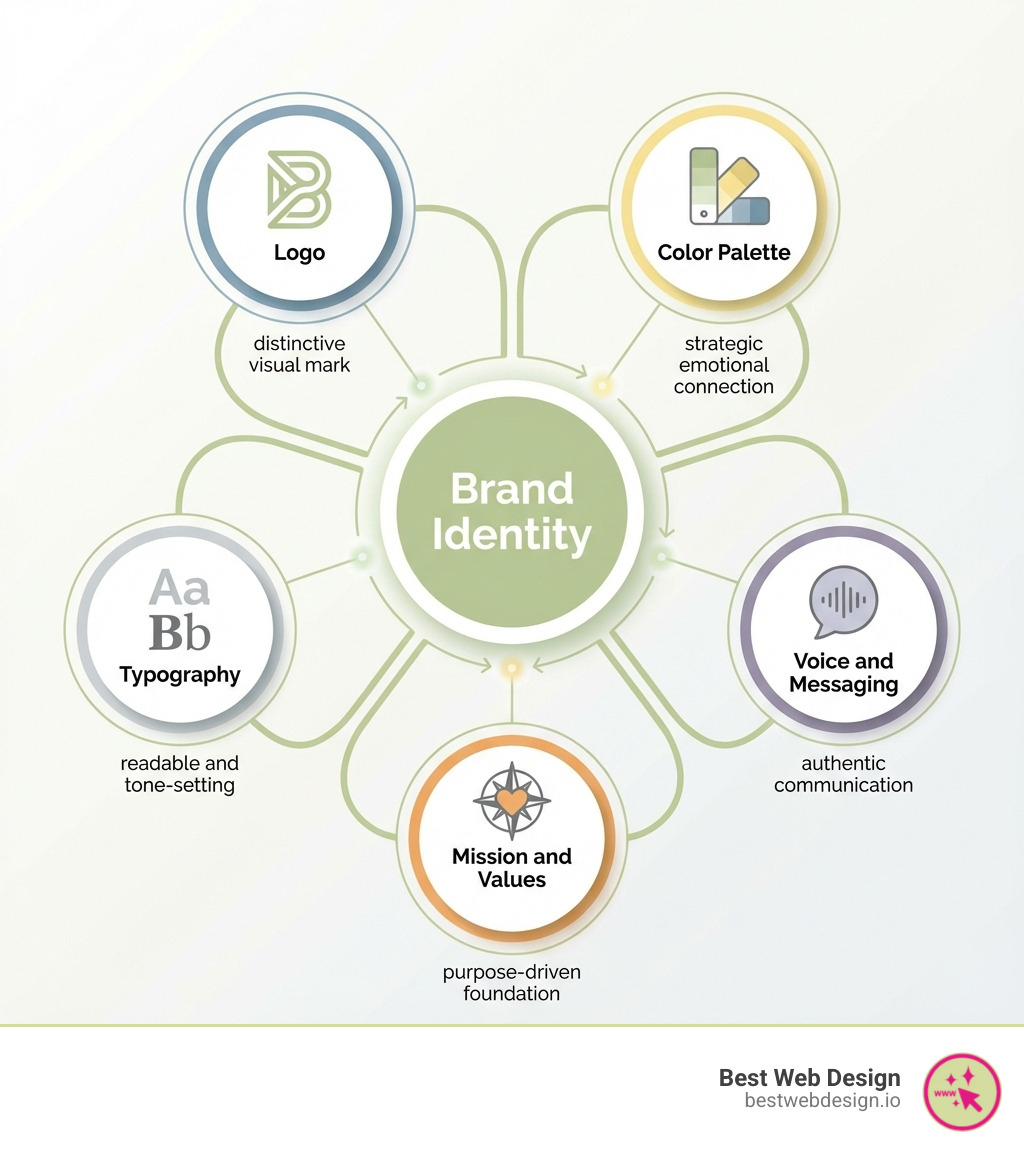
The top features of a great brand identity include:
- Visual consistency: Builds recognition and reinforces your brand across all channels.
- Clear brand voice: Communicates authentically and aligns with your values.
- Distinctive logo: Makes your brand instantly identifiable.
- Thoughtful typography: Sets the tone and supports readability.
- Strategic color use: Evokes emotion and strengthens brand association.
- Cohesive imagery: Tells a visual story that supports your message.
Let’s explore some of the best brand identity examples and uncover the secrets behind their success.
Tech & Innovation: Iconic Brand Identity Examples
Tech brands often create sleek, forward-thinking identities, using visual language to communicate complex ideas with simplicity.
Example 1: Apple
Apple is a classic brand identity example, built on innovation, simplicity, and premium quality. Its minimalist design, sleek aesthetics, and intuitive user experience are core tenets of the brand. The iconic logo, clean product lines, and even the unboxing experience communicate a commitment to elegance, reinforcing its position as a design leader.
Example 2: Spotify
Spotify’s identity is a masterclass in dynamic visuals and personalization. While its logo is simple, the overall visual language is vibrant and adaptable, using bold gradients and custom typography for a youthful feel. The annual “Spotify Wrapped” campaign is a prime example, using listener data to foster community and reinforce its user-centric identity.
Consumer Goods: Timeless & Emotional Connections
Some of the most enduring brand identity examples come from consumer goods, where emotional connection and nostalgia play a huge role.
Example 3: Coca-Cola
Coca-Cola is one of the most recognizable brands globally, with an identity centered on happiness and connection. Its iconic red and white palette, distinctive script logo, and unique contour bottle are all designed to evoke positive emotions. Campaigns like “Share A Coke” and “Open Happiness” reinforce this emotional bond, making it a timeless example of powerful branding.
Example 4: LEGO
LEGO’s brand identity is built on its core mission: “Inspire and develop the builders of tomorrow.” This is reflected in its bold primary colors, simple yet versatile bricks, and consistent visual language. The brand’s focus on imagination, creativity, and fun appeals across generations, fostering a sense of accomplishment.
Example 5: McDonald’s
Simplicity is key to the McDonald’s brand identity. Its red and yellow color scheme, iconic Golden Arches logo, and consistent branding across thousands of global restaurants create familiarity and comfort. By tailoring its strategy to different audiences, McDonald’s has achieved remarkable global consistency.
Purpose-Driven & Lifestyle Brands
Many successful brands today are built on a strong sense of purpose, resonating with like-minded consumers.
Example 6: Patagonia
Patagonia’s mission, “We’re in business to save our home planet,” is the core of its brand identity. This commitment to sustainability is reflected in its minimalist logo, earthy color palette, and rugged imagery. The brand’s actions demonstrate a deep alignment between identity and values, fostering incredible customer loyalty.
Example 7: Jungalow
Jungalow is a lifestyle and design brand created by Justina Blakeney to bring “good vibes home.” Its identity reinforces values of community and sustainability. The visual identity is distinctive, with an earthy green and warm gold palette and a playful logo, all supported by a dreamy aesthetic on its website and social media.
Example 8: Bombas
Bombas blends purpose with practicality by donating one item for every one purchased. Its brand identity reflects this with clean design, clear messaging about its one-for-one model, and a focus on comfort. A consistent blue accent and simple product photography create a brand customers feel good about supporting.
DTC Disruptors: Modern Brand Identity Examples
Direct-to-consumer (DTC) brands have mastered creating distinctive identities that speak directly to their target audience.
Example 9: Glossier
Glossier disrupted the beauty industry with a brand built on transparency and community. Its identity is rooted in the belief that customers should be part of the process. This less-is-more approach is seen in its minimal logos, soft pink aesthetic, clean packaging, and conversational tone, creating a strong, authentic connection with its audience.
Example 10: Omsom
Omsom brings bold South and East Asian flavors to consumers with equally bold branding. The design uses fiery bright colors, a candle-flame favicon, and stretched typography to match its energetic voice. Omsom accepts maximalism to capture its fun personality, creating an identity that perfectly reflects its products.
Example 11: Wild One
Pet accessories brand Wild One uses bold color blocks and clean white backgrounds to make its vibrant products pop. Its brand identity is playful, modern, and stylish, appealing to pet owners seeking high-quality, aesthetically pleasing accessories. The use of bright colors and approachable typography creates a distinctive look that communicates a passion for pets.
Brands That Successfully Evolved Their Identity
Even the strongest brands must adapt to stay relevant. These brand identity examples show how companies can refresh their look while staying true to their core values.
Example 12: Starbucks
Starbucks’ evolution shows how a brand can modernize without losing iconic recognition. Recent updates refined its signature siren logo for a digital-first world. The brand’s welcoming green, the “third place” concept, and a consistent global customer experience remain central to its identity, blending heritage with a contemporary feel.
Example 13: American Express
American Express recently refreshed its visual identity to strengthen its presence in the digital world. The project retooled the iconic Blue Box logo from 1975 and developed a new typographic language. An alternate logo was created for small digital uses, and the classic lettering was redrawn for greater flexibility. This strategic evolution ensures the brand remains modern and consistent.
Example 14: Airbnb
Airbnb rebranded to reach a more mainstream audience, moving beyond its origins as a budget travel app. The new “Bélo” logo, symbolizing belonging, along with warm tones and clean layouts, emphasizes human connection and experience-focused travel, creating a broader sense of community.
The Building Blocks: How to Create a Strong Brand Identity
Inspired by these brand identity examples? Creating a strong identity is achievable for any business, regardless of size. It’s a critical asset for connecting with your audience and driving growth, paying off in customer loyalty and brand awareness. A strong identity is an investment that leads to increased sales and profitability.
At Best Web Design, we specialize in helping businesses like yours craft powerful, data-driven brand identities that resonate with your target audience and convert. Find how we can help you build your brand from the ground up or lift your existing one. More info about our brand design offerings.
Start with Strategy: Define Your Mission and Values
A great brand identity starts with a clear strategy defining who you are and what you stand for. This alignment of vision, mission, and customer expectations helps attract talent, increase sales, and justify premium prices.
- Company Purpose: What problem do you solve? Why does your business exist?
- Core Values: What principles guide your decisions and actions?
- Vision Statement: Where do you see your business in the future?
- Brand Promise: What can customers consistently expect from you?
- Storytelling: How do you articulate your journey and impact?
To help you get started on this foundational step, we invite you to Start with our Brand Development Questionnaire.
Know Your Audience: Create Buyer Personas
Your brand identity must resonate with your customers. Creating buyer personas—representations of your ideal customers—helps you understand their needs, motivations, and pain points. This deep understanding informs every aspect of your brand, from visuals to voice.
- Target Audience Research: Understand their lifestyle, challenges, and aspirations.
- Demographics: Age, location (especially relevant in our service areas of San Diego, Los Angeles, Miami, Las Vegas), income.
- Psychographics: Their attitudes, interests, values, and behaviors.
- Customer Needs: How does your product or service fulfill a need in their lives?
To streamline this process, you can Set up buyer personas.
Develop Your Visual Identity
Once your strategy is clear, translate it into a compelling visual language.
- Logo Design: The cornerstone of your visual identity. A unique, memorable logo should communicate your brand’s personality and be instantly identifiable.
- Color Psychology: A consistent color palette evokes emotion and strengthens brand association. Choose colors that work well together and communicate your intended message.
- Typography Choice: Fonts set the tone and support readability. A custom serif can feel timeless, while a clean sans serif feels modern.
- Imagery Style: Distinctive photography, illustrations, and graphics tell a visual story and create a unified aesthetic.
- Visual Language: The overall aesthetic—shapes, textures, and lines—that subtly reinforces your brand’s personality.
For businesses in San Diego, Los Angeles, Miami, or Las Vegas, creating a visual identity that stands out is paramount. Get help with your brand visuals.
Find Your Voice: Crafting Brand Messaging
How you speak to your audience is as important as how you look. Your brand’s voice is critical for authentic communication.
- Tone of Voice: This reflects your brand’s personality (e.g., formal, playful, authoritative). It must be consistent across all communications.
- Brand Personality: If your brand were a person, what would they be like? This helps shape your tone.
- Tagline: A concise summary of your brand’s mission and promise.
- Core Messaging: The key messages you want your audience to remember, used consistently everywhere.
An authentic tone of voice that reflects your brand values builds trust and connection. For more insights, Read our Blog for more tips.
Brand Identity vs. Brand Image: Key Differences & Mistakes to Avoid
It’s common for people to use “brand,” “branding,” and “brand identity” interchangeably, but they are distinct concepts. Understanding the difference between brand identity and brand image is particularly crucial.
| Feature | Brand Identity | Brand Image |
|---|---|---|
| Definition | What you create and project about your brand. The visible elements (logo, colors, typography) and underlying principles (mission, values, voice) that define who you are. | How your audience perceives your brand. The sum of customer feelings, opinions, beliefs, and reputation based on their experiences and interactions. |
| Control | Largely controllable by the business. | Less controllable; influenced by identity, but also by customer experiences, word-of-mouth, media, and external factors. |
| Focus | Internal (how you define yourself) and external (how you present yourself). | External (how others define you). |
| Goal | To clearly articulate and visually represent your unique value proposition and personality. | To cultivate a positive perception that aligns with your identity, leading to trust and loyalty. |
| Examples | Your carefully designed logo, your chosen color palette, your defined tone of voice, your mission statement. | A customer saying, “Apple makes beautiful, easy-to-use products,” or “Coca-Cola means happiness to me.” |
A strong brand identity is the foundation, but a positive brand image is the result of that identity consistently delivered and experienced.
Common Mistakes to Avoid When Creating or Managing a Brand Identity:
- Inconsistency: Using different logos, colors, or tones across platforms confuses your audience and erodes trust. Visual consistency is key.
- Copying Competitors: Mimicking competitors makes you blend in rather than stand out. Your identity should highlight what makes you unique.
- Ignoring Audience Feedback: Your brand must resonate with your audience. Listen to feedback and adapt if your messaging or visuals aren’t working.
- Failing to Evolve: Markets and customer expectations change. Even established brands must refresh their identity to stay relevant and avoid feeling outdated.
- Lack of Clarity on Mission/Values: A brand identity without a clear purpose lacks direction and authenticity. This foundational step is crucial.
Avoiding these mistakes and proactively managing your brand identity is crucial for long-term success.
Frequently Asked Questions about Brand Identity
We often get asked similar questions by businesses looking to understand and improve their brand presence. Here are some of the most common ones:
How much does it cost to develop a brand identity?
The cost varies widely. A basic identity for a startup might cost a few hundred to several thousand dollars. A comprehensive strategy from a professional agency can cost tens of thousands or more. Regardless of the investment, the ROI of a strong brand identity is significant, impacting everything from customer loyalty to profitability.
What is the difference between brand, branding, and brand identity?
These terms are related but distinct:
- Brand: The overall perception, feeling, and reputation that customers have about a company, product, or service. It’s intangible—what people think and feel about you.
- Branding: The active process of shaping that perception. It involves all the strategic actions a company takes to build and manage its brand.
- Brand Identity: The tangible elements used in the branding process to communicate the brand. This includes the logo, colors, typography, imagery, and tone of voice.
How does brand identity influence purchasing decisions?
A strong brand identity significantly influences customer loyalty and purchasing decisions in several ways:
- Builds Recognition: A distinctive identity makes your brand easy to recognize and remember, which builds comfort and trust.
- Fosters Trust: When a brand consistently presents itself and delivers on its promise, it builds credibility. Customers are more likely to buy from brands they trust.
- Creates Emotional Connection: Brands that align with a customer’s values or evoke positive emotions create a deeper bond that encourages loyalty.
- Justifies Premium Pricing: A strong identity associated with quality allows brands to charge premium prices.
- Encourages Repeat Purchases: A positive brand experience, reinforced by a strong identity, leads to customer loyalty and repeat business.
Conclusion: Turn Inspiration into Action
We’ve explored compelling brand identity examples, from tech innovators like Apple to timeless classics like Coca-Cola, purpose-driven missions like Patagonia, and modern disruptors like Glossier. Each shows how a strong identity drives success.
The core takeaway is clear: a cohesive, authentic, and consistently applied brand identity is not just a nice-to-have; it’s a fundamental driver of business growth and user retention. It’s how you stand out, build trust, and forge lasting relationships with your audience, whether you’re a startup in San Diego or an established business in Los Angeles, Miami, or Las Vegas.
At Best Web Design, we understand the power of a well-crafted brand identity. Our expertise in UI/UX, brand design, Webflow, and no-code solutions allows us to deliver data-driven, conversion-focused digital products and identities that truly make an impact. We help businesses like yours articulate their unique story, captivate their audience, and achieve measurable results efficiently.
Don’t let your brand get lost in the noise. Let the inspiration from these brand identity examples fuel your journey to creating an unforgettable presence.